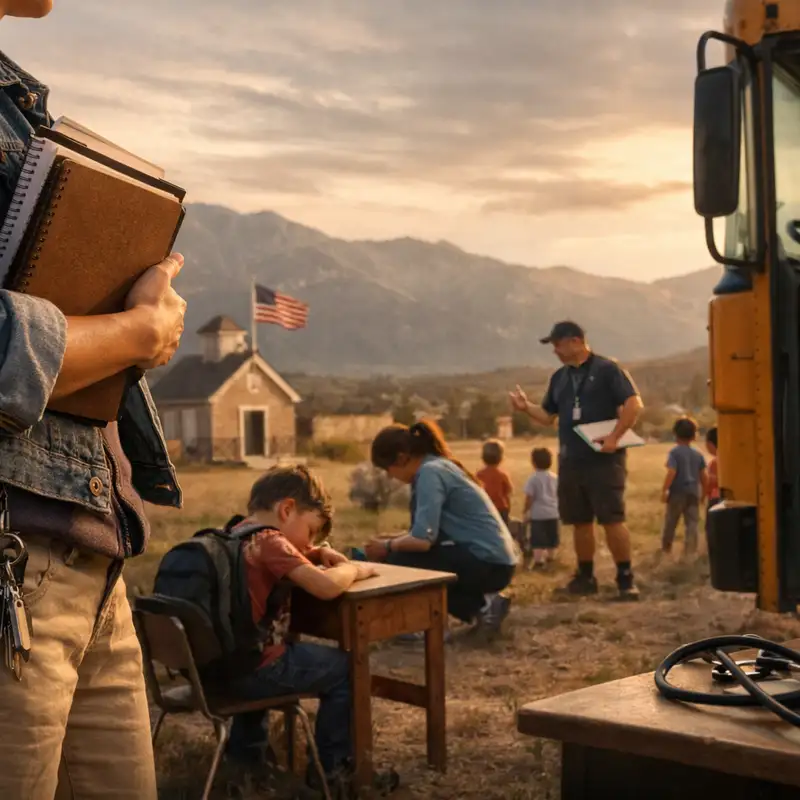
The Hidden Reality of Rural Classrooms (And Why Educators Are Burning Out)
What does it really mean to teach in rural America?
In this episode of Chitty Chats with Stacy, Stacy shares reflections from her recent travels to small communities in Montana and Colorado and dives into the unique realities of rural education. In many rural schools, educators wear multiple hats—teacher, coach, counselor, mentor, and sometimes the only consistent support system a child has.
With limited resources and fewer specialists available, rural educators often have to rely on their own understanding of child development, nervous system regulation, and trauma-informed practices to support students.
Stacy explores:
• Why understanding brain development is critical for educators today
• How stress cycles impact student behavior and learning
• Why many of today’s children are arriving at school with developmental delays
• The importance of educators understanding their own nervous systems
• How rural schools can creatively support students even with limited resources
• Why involving the community and parents matters more than ever
• How stress cycles impact student behavior and learning
• Why many of today’s children are arriving at school with developmental delays
• The importance of educators understanding their own nervous systems
• How rural schools can creatively support students even with limited resources
• Why involving the community and parents matters more than ever
Rural schools face challenges that many people don’t fully understand—but they also have unique opportunities to build connection, creativity, and resilience.
Whether you are an educator, parent, or community member, this episode offers insights into how we can better support kids and the adults who show up for them every day.
If you live or work in rural America, this conversation is for you.
Creators and Guests

Host
Stacy G. Nation, LCSW
Stacy Nation, LCSW, is a licensed clinical social worker, educator, and military behavioral health leader who has spent two decades helping adults and children regulate, reconnect, and heal. As an early Phase 2 certified clinician in the Neurosequential Model, Stacy blends neuroscience, trauma-informed practice, and real-world classroom experience to help educators steady themselves before they steady their students.